




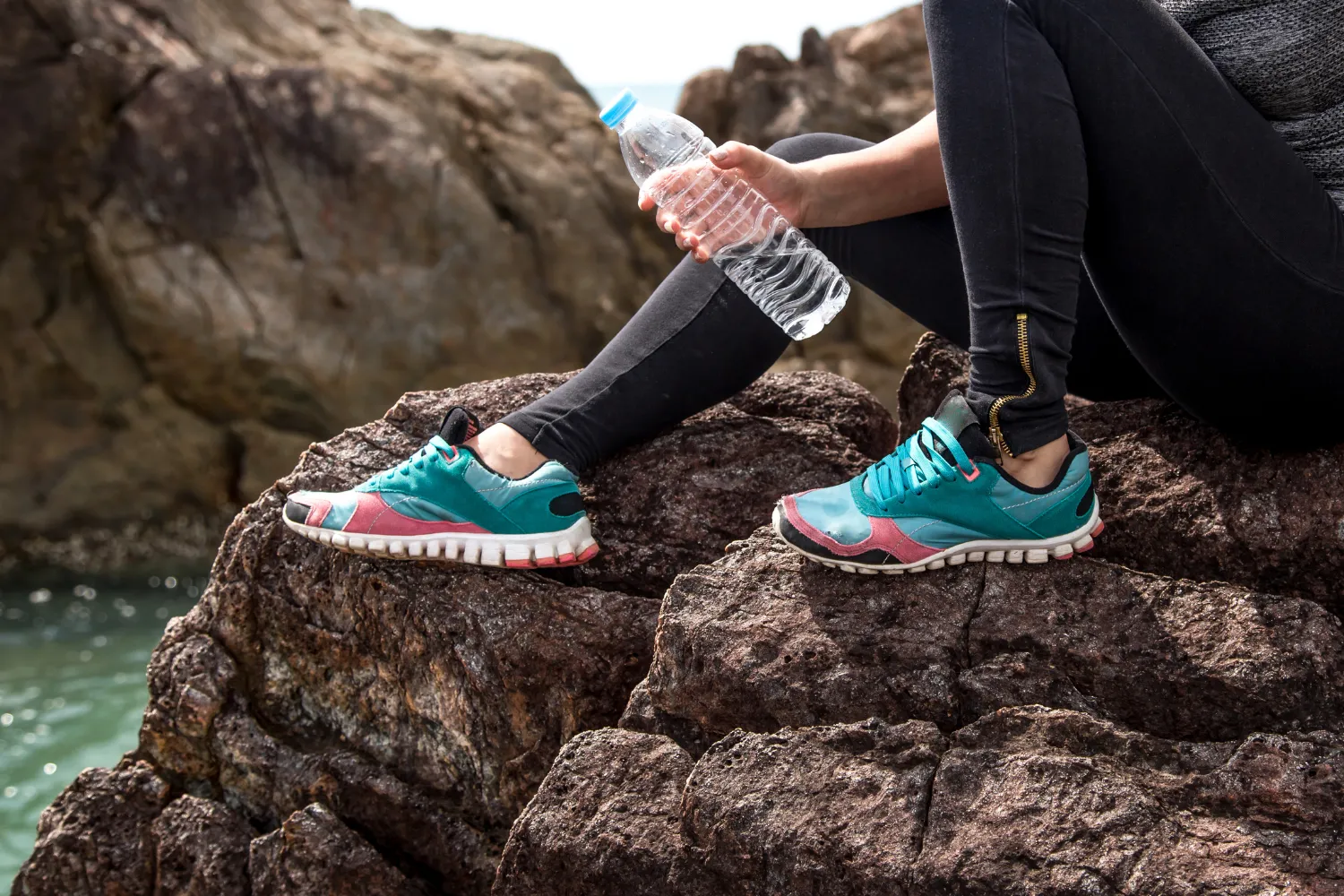
When it comes to optimizing your running performance and protecting your feet from injury, choosing the best running shoes is one of the most critical decisions you’ll make. Whether you’re training for a marathon, hitting the local trails, or starting your fitness journey, the right footwear can mean the difference between crushing your goals and dealing with painful setbacks.
This comprehensive guide explores everything you need to know about selecting premium running shoes that align with your running style, budget, and specific needs.
Understanding Your Running Profile
Before investing in the best running shoes for your needs, it’s essential to understand your unique running profile. Not all runners are the same, and neither should their footwear be.
Gait Analysis and Foot Strike
Your gait pattern—how your foot strikes the ground during running—plays a crucial role in shoe selection. There are three primary gait types: overpronation (inward rolling), neutral (balanced landing), and supination (outward rolling). Getting a professional gait analysis at a specialty best Running shoes store can help you identify your pattern and find shoes specifically designed to support your mechanics.
Neutral runners benefit from cushioned, responsive shoes that offer balanced support. Overpronators need stability features and medial support to prevent excessive inward rolling. Supinators require cushioning on the outer edge to absorb impact effectively.
Running Surface and Terrain
The surface where you run significantly impacts shoe performance. Road running shoes prioritize cushioning and responsiveness on pavement, while trail running shoes feature aggressive treads and protective overlays for uneven terrain. Track runners often prefer minimalist, lightweight options, whereas long-distance runners need maximum cushioning for sustained comfort.
Top Categories of Running Shoes for Different Needs
Best Running Shoes for Marathon Training
Marathon runners require shoes that deliver consistent performance over extended distances. Look for options featuring advanced cushioning technology, responsive midsoles, and supportive architecture. Top marathon shoes combine lightweight construction with enough shock absorption to protect your joints during 20+ mile training runs.
Premium marathon racing shoes typically weigh between 6 and 8 ounces and feature carbon fiber plates for energy return. Training versions offer slightly more cushioning for those longer weekly runs. Expect to invest between $130 and $200 for quality marathon-specific footwear.
Best Running Shoes for Trail Running
Trail running demands specialized features that road shoes simply cannot provide. The trail best running shoes feature durable outsoles with aggressive tread patterns for grip on loose surfaces, protective toe caps, and reinforced sidewalls to guard against rocks and roots.
Advanced trail shoes incorporate rock plates to shield your feet from sharp terrain and offer superior ankle support through higher collar designs. Water resistance and breathable mesh help keep your feet dry in challenging conditions. Budget $120-$180 for reliable trail running footwear.
Best Running Shoes for Casual Runners
If you’re new to running or prefer a relaxed pace, casual best running shoes prioritize comfort and durability over performance. These versatile options work well for easy jogs, gym workouts, and everyday wear. They typically feature generous cushioning, straightforward designs, and excellent value for money.
Casual running shoes are often the most affordable category, ranging from $70 to $120, making them perfect for beginners testing the waters or established runners seeking a backup pair.
Best Running Shoes for Plantar Fasciitis
Runners dealing with plantar fasciitis need specialized support that reduces strain on the plantar fascia. The best running shoes for this condition feature firm arch support, deep heel cups, and responsive cushioning that minimizes impact forces.
Orthopedic-focused running shoes often include medial arch support and heel stabilization to address this common injury. Prices typically range from $110 to $170, though investing in proper footwear can prevent costly physical therapy down the road.
Key Features to Evaluate
Cushioning Technology
Modern running shoes employ various cushioning technologies to absorb impact and protect joints. EVA (ethylene-vinyl acetate) foam remains the industry standard, while premium options feature responsive gel compounds, air chambers, or reactive foam that returns energy with each stride.
Weight and Responsiveness
Lighter shoes (under 7 ounces) enhance speed and reduce fatigue during racing. However, heavier training shoes often provide better cushioning and durability. Consider your running goals when weighing this tradeoff. Racing flats might weigh 5-6 ounces, while supportive training shoes could reach 10+ ounces.
Fit and Comfort
Proper fit is non-negotiable. Your shoes should have a half-thumb’s width of space between your longest toe and the shoe’s end. The heel shouldn’t slip, and the midfoot should feel snug without pinching. Break in new shoes gradually before logging serious miles.
Durability and Longevity
Quality running shoes typically last 300-500 miles before requiring replacement. Premium brands investing in durable materials often deliver extended lifespans, ultimately providing better value despite higher initial costs. Track your mileage to know when replacement is due.
How to Choose the Best Running Shoes: A Practical Framework
Getting professional guidance at a specialty running store makes an enormous difference. Many retailers offer free gait analysis and allow you to test multiple options. Here’s what to prioritize:
Start with gait analysis to understand your biomechanics. Next, try on multiple options from different brands, as sizing and comfort vary significantly. Run in the shoes if possible—many retailers have treadmills available. Consider your primary use case: racing, training, trail work, or casual jogging. Finally, read reviews from runners with similar profiles and gait patterns.
Investment Guide: Running Shoe Pricing
Running shoe prices vary dramatically based on technology, brand reputation, and specialization. Budget models range from $60 to $90, mid-range options span $90 to $140, and premium performance shoes cost $140 to $220. Specialty shoes for trail running, racing, or injury prevention often command premium pricing.
Many retailers offer seasonal sales, especially when new models arrive. Buying last season’s highly rated models can provide significant savings without sacrificing quality. Consider purchasing multiple pairs and rotating them to extend overall lifespan.
Maintenance Tips for Maximum Shoe Longevity
Proper care extends your investment’s value. Rotate between multiple pairs to allow cushioning materials time to decompress. Clean shoes regularly, but avoid harsh washing or dryers. Replace insoles if they wear out—this simple upgrade often revives aging shoes. Store shoes in cool, dry conditions away from direct sunlight.
Making Your Purchase Decision
Finding the best running shoes requires honest assessment of your running style, budget constraints, and specific needs. Invest in quality footwear that genuinely supports your biomechanics rather than choosing based on appearance or brand name alone. Professional fitting, combined with thorough research and customer reviews, ensures you’ll find shoes that deliver comfort and performance mile after mile.
Your feet are your foundation. Choosing premium running shoes today prevents injuries, enhances performance, and keeps you running strong for years to come. Start with proper analysis, try multiple options, and commit to quality footwear that supports your running journey.