



A radiant smile can boost your confidence and make a lasting impression, but achieving whiter teeth doesn’t have to mean compromising your health with harsh chemicals. The best natural whitening toothpaste offers an effective, gentle alternative that brightens your smile while supporting overall oral health. As consumers become increasingly conscious of ingredient transparency and sustainability, natural whitening toothpaste has emerged as a powerful solution for those seeking both cosmetic and wellness benefits.
This comprehensive guide explores everything you need to know about the best natural whitening toothpaste, from understanding key ingredients to selecting the right product for your specific needs.
What Makes Natural Whitening Toothpaste Different?
Best Natural whitening toothpaste distinguishes itself from conventional options through its carefully selected ingredients derived from nature rather than synthetic compounds. Unlike traditional whitening products that often contain hydrogen peroxide, artificial sweeteners, and synthetic foaming agents, natural formulations rely on mineral-based abrasives, plant extracts, and essential oils to achieve results.
The primary difference lies in the whitening mechanism. Conventional toothpaste typically uses chemical bleaching agents that penetrate tooth enamel to break down stains at a molecular level. Natural alternatives work through gentle polishing action and enzymatic activity that removes surface stains without compromising enamel integrity. This approach makes the best natural whitening toothpaste an excellent choice for individuals with sensitive teeth or those concerned about long-term oral health.
Additionally, natural formulations exclude controversial ingredients like triclosan, sodium lauryl sulfate (SLS), artificial colors, and parabens. This cleaner ingredient profile appeals to health-conscious consumers and those with allergies or sensitivities to synthetic additives.
Key Ingredients in the Best Natural Whitening Toothpaste
Understanding the active ingredients in the best natural whitening toothpaste helps you make informed purchasing decisions and set realistic expectations for results.
Baking Soda (Sodium Bicarbonate)
Baking soda remains one of the most effective natural whitening agents available. Its mild abrasive properties gently scrub away surface stains from coffee, tea, and wine without damaging enamel. Additionally, baking soda neutralizes acids in the mouth, creating an alkaline environment that discourages bacterial growth and helps prevent cavities.
Activated Charcoal
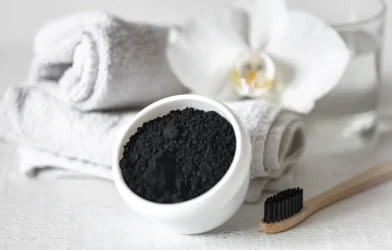
Activated charcoal has gained significant popularity in natural oral care products. This highly porous substance binds to surface stains and toxins, lifting them away from tooth enamel. While research on its long-term effectiveness continues, many users report noticeable whitening results with consistent use.
Hydroxyapatite
This naturally occurring mineral makes up 97% of tooth enamel and offers remarkable remineralizing properties. Hydroxyapatite fills microscopic scratches and imperfections on tooth surfaces, creating a smoother, more reflective appearance that looks naturally whiter. It’s particularly beneficial for strengthening enamel and reducing sensitivity.
Silica
Hydrated silica serves as a gentle polishing agent that removes surface discoloration while maintaining enamel safety. Unlike harsh abrasives that can wear down protective tooth layers, silica provides effective cleaning action with a low abrasivity rating.
Essential Oils
Peppermint, tea tree, and cinnamon essential oils offer natural antibacterial properties while freshening breath. These oils contribute to overall oral health by reducing harmful bacteria that cause plaque buildup and gum disease.
Papain and Bromelain
These natural enzymes, derived from papaya and pineapple, respectively, break down protein-based stain molecules on tooth surfaces. They offer a gentle, non-abrasive approach to whitening that’s particularly suitable for sensitive teeth.
Health Benefits Beyond Whitening
Choosing the best natural whitening toothpaste delivers advantages that extend far beyond aesthetic improvements.
Natural formulations typically contain ingredients that actively promote oral health rather than simply masking problems. Many include probiotics that support healthy oral microbiome balance, reducing the risk of cavities and gum disease. The absence of harsh chemicals means less irritation for those with sensitive gums or mouths.
Natural toothpaste often incorporates remineralizing agents that strengthen enamel and repair early-stage tooth damage. This preventive approach helps reduce long-term dental expenses by maintaining stronger, healthier teeth. Additionally, avoiding fluoride alternatives like hydroxyapatite provides cavity protection without the controversy surrounding fluoride consumption.
For environmentally conscious consumers, natural toothpaste brands frequently emphasize sustainable packaging, cruelty-free testing, and ethical sourcing practices. This alignment with broader wellness values makes natural whitening toothpaste an attractive choice for those seeking products that reflect their personal principles.
How to Choose the Best Natural Whitening Toothpaste for Your Needs
Selecting the ideal, best natural whitening toothpaste requires consideration of several factors specific to your oral health situation and lifestyle preferences.
Assess Your Sensitivity Level
If you experience tooth sensitivity, prioritize formulations with hydroxyapatite or potassium nitrate, which help desensitize nerve endings. Avoid products with high concentrations of baking soda or charcoal initially, as these may increase sensitivity in some individuals.
Consider Your Whitening Goals
For mild discoloration, enzyme-based formulations provide gentle, gradual whitening. Those with more stubborn stains may benefit from products combining baking soda with silica for enhanced stain removal. Set realistic expectations—natural whitening typically requires consistent use over several weeks to achieve noticeable results.
Check for ADA Seal of Acceptance
While not all natural products pursue American Dental Association approval, those that carry the ADA Seal of Acceptance have undergone rigorous testing for safety and efficacy. This certification provides additional confidence in product quality.
Read the Complete Ingredient List
Transparency matters. The best natural whitening toothpaste brands clearly list all ingredients without hiding behind proprietary blends. Avoid products containing SLS, artificial sweeteners, synthetic dyes, or microbeads.
Evaluate Flavor and Texture Preferences
Natural toothpaste varies significantly in taste and consistency. Some prefer traditional mint flavors, while others appreciate unique options like cinnamon, fennel, or unflavored formulations. The texture ranges from smooth paste to slightly gritty, depending on the abrasives used.
Best Practices for Using Natural Whitening Toothpaste
Maximizing the effectiveness of the best natural whitening toothpaste requires proper technique and realistic expectations.
Brush twice daily for at least two minutes, using gentle circular motions rather than aggressive scrubbing. Harsh brushing can damage enamel and gums regardless of toothpaste type. Use a soft-bristled toothbrush and replace it every three months.
Allow the toothpaste to remain on teeth for 30-60 seconds before rinsing to maximize ingredient contact time. This extended exposure enhances the enzymatic action and mineral absorption that contribute to whitening effects.
Understand that natural whitening works gradually. Most users notice visible improvements within two to four weeks of consistent use. Unlike chemical bleaching treatments that deliver rapid but potentially damaging results, natural methods prioritize long-term oral health alongside cosmetic benefits.
Complement your whitening routine by limiting stain-causing foods and beverages, especially immediately after brushing. Coffee, red wine, berries, and dark sauces can quickly restain freshly cleaned teeth.
The Bottom Line: Investing in Your Smile Naturally
The best natural whitening toothpaste represents a smart investment in both your appearance and overall oral health. By choosing formulations that rely on proven natural ingredients rather than harsh chemicals, you achieve a brighter smile without compromising enamel integrity or introducing unnecessary toxins into your daily routine.
Natural whitening toothpaste suits virtually anyone seeking a gentler approach to dental care—from individuals with sensitive teeth to environmentally conscious consumers prioritizing clean, sustainable products. While results may develop more gradually than with chemical alternatives, the long-term benefits of stronger enamel, healthier gums, and reduced sensitivity make natural options an increasingly popular choice.
As you explore natural whitening toothpaste options, prioritize products with transparent ingredient lists, appropriate certifications, and positive user reviews. Remember that consistent use combined with proper brushing technique delivers the best results. Your smile deserves care that’s as natural as it is effective.