



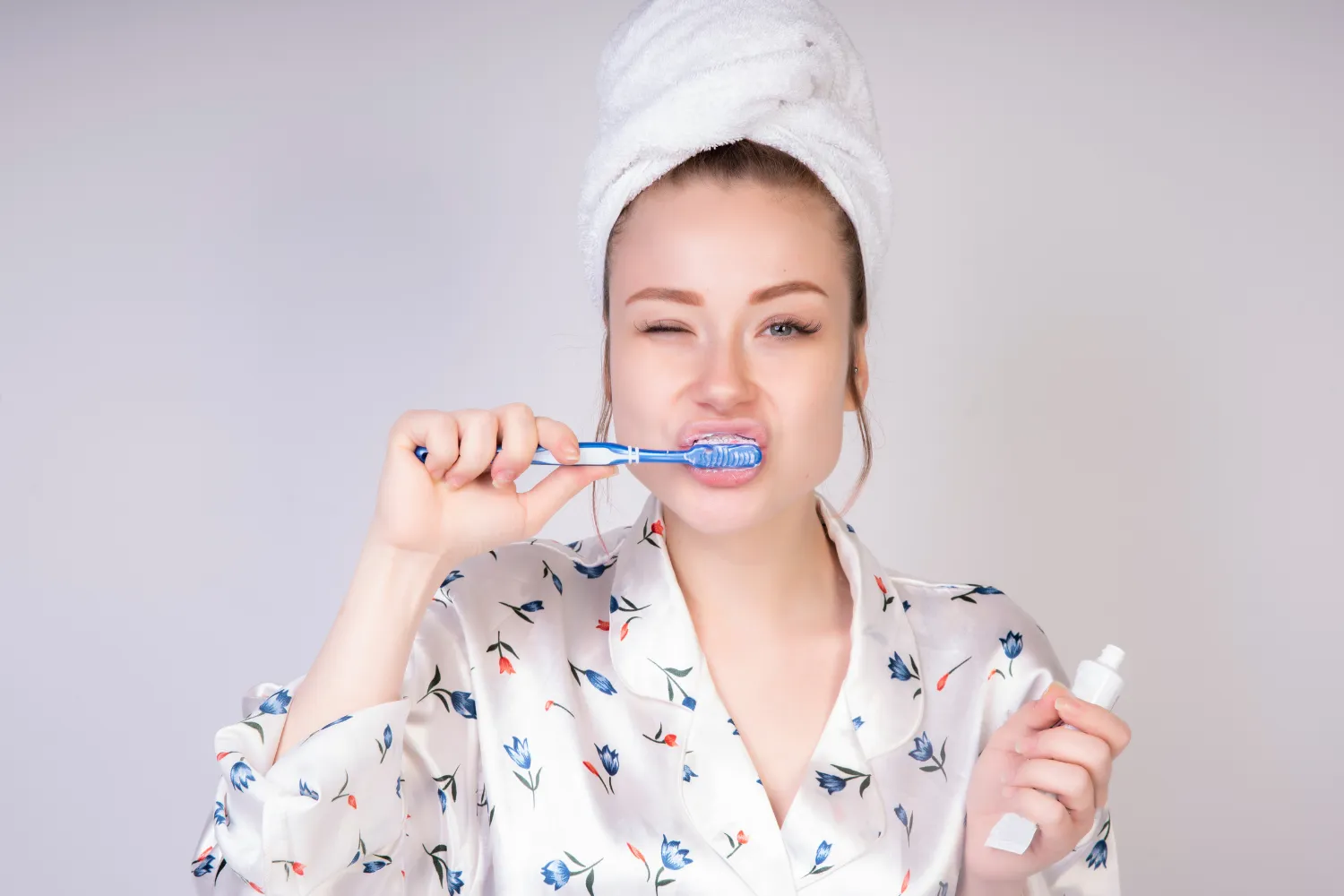
A radiant, white smile can boost confidence and make lasting impressions in both personal and professional settings. With countless whitening toothpaste options flooding the market, finding the strongest whitening toothpaste that delivers real results can feel overwhelming. This comprehensive guide explores the most effective whitening toothpastes available, what makes them work, and how to choose the right product for your needs.
Understanding How Whitening Toothpaste Works
Whitening toothpaste differs significantly from regular toothpaste in its formulation and purpose. While standard toothpaste focuses primarily on cavity prevention and basic cleaning, whitening varieties contain specialized ingredients designed to remove surface stains and, in some cases, change the actual color of teeth.
The strongest whitening toothpaste products typically work through two primary mechanisms. First, they use mild abrasives like hydrated silica or calcium carbonate to physically scrub away surface stains from coffee, tea, wine, and tobacco. Second, many incorporate chemical whitening agents such as hydrogen peroxide or carbamide peroxide that penetrate tooth enamel to break down deeper stains at the molecular level.
Understanding these mechanisms helps consumers make informed decisions about which products will address their specific discoloration concerns most effectively.
Key Ingredients in the Strongest Whitening Toothpaste
Hydrogen Peroxide and Carbamide Peroxide
These bleaching agents are the gold standard in teeth whitening. Hydrogen peroxide works quickly and effectively, breaking down stain molecules through oxidation. The strongest whitening toothpaste formulations often contain concentrations between 1.5% and 3% hydrogen peroxide, though over-the-counter products are limited by safety regulations.
Carbamide peroxide breaks down into hydrogen peroxide and urea, providing a gentler, more gradual whitening effect that’s ideal for people with sensitive teeth.
Abrasive Agents
Hydrated silica, calcium carbonate, and aluminum oxide serve as gentle polishing agents that mechanically remove surface stains. The strongest whitening toothpaste brands carefully balance abrasiveness with safety, using a measure called Relative Dentin Abrasivity (RDA). Products with RDA values between 70 and 150 are generally considered safe and effective for daily use.
Blue Covarine Technology
This innovative optical whitening agent doesn’t actually change tooth color but creates an immediate visual effect by depositing a thin blue film on teeth. This makes teeth appear whiter by reducing the yellow undertone, offering instant results while chemical agents work over time.
Top Features to Look for When Choosing Whitening Toothpaste
Selecting the strongest whitening toothpaste requires evaluating several critical factors beyond whitening power alone.
ADA Seal of Acceptance: The American Dental Association’s seal ensures the product has been rigorously tested for safety and efficacy. This certification guarantees the toothpaste contains fluoride for cavity protection and meets strict standards for abrasiveness.
Sensitivity Protection: Many powerful whitening agents can cause temporary tooth sensitivity. The best whitening toothpastes incorporate desensitizing ingredients like potassium nitrate or stannous fluoride to minimize discomfort without compromising whitening effectiveness.
Enamel-Safe Formulation: The strongest whitening toothpaste should never compromise tooth health for cosmetic results. Look for products that explicitly state they’re enamel-safe and have appropriate RDA ratings to prevent excessive wear on tooth surfaces.
Multi-Action Benefits: Premium whitening toothpastes offer comprehensive oral care, combining whitening power with cavity protection, tartar control, gum health support, and fresh breath benefits in a single formula.
Clinical Strength Whitening Toothpaste Options
Professional-Grade Formulations
Dentist-recommended whitening toothpastes often contain higher concentrations of active ingredients than standard over-the-counter options. These clinical-strength formulas may include prescription-level hydrogen peroxide concentrations or specialized enzyme systems that break down stubborn stains more effectively.
Professional whitening toothpastes are particularly beneficial for individuals with significant discoloration from years of coffee consumption, smoking, or natural aging. They provide noticeable results within two to four weeks of consistent use.
Activated Charcoal and Natural Alternatives
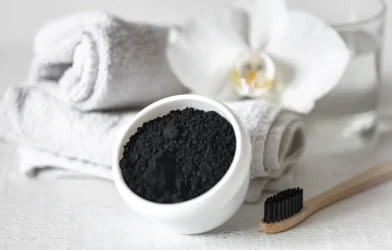
While activated charcoal toothpaste has gained popularity, scientific evidence supporting its whitening efficacy remains limited. Natural whitening options using baking soda, coconut oil, or hydroxyapatite offer gentler alternatives, though they typically deliver more modest results compared to peroxide-based formulations.
How to Maximize Results from Your Whitening Toothpaste
Achieving optimal whitening results requires more than simply choosing the strongest whitening toothpaste—proper application and consistent oral hygiene habits play crucial roles.
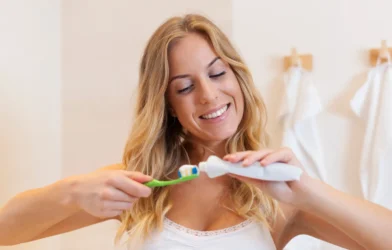
Brushing Technique Matters: Use gentle, circular motions for two full minutes, ensuring you reach all tooth surfaces. Aggressive brushing can damage enamel and actually make teeth appear more yellow by exposing the darker dentin layer underneath.
Consistency is Key: Whitening toothpaste typically requires four to six weeks of twice-daily use before significant results become visible. Patience and adherence to your oral care routine are essential for success.
Minimize Staining Foods and Beverages: Even the strongest whitening toothpaste can’t combat constant exposure to staining agents. Reduce consumption of coffee, red wine, dark berries, and tomato-based sauces, or rinse your mouth with water after consuming these items.
Complement with Professional Treatments: For fastest and most dramatic results, combine daily use of whitening toothpaste with professional dental cleanings and in-office whitening treatments. This multi-pronged approach addresses both surface stains and deeper discoloration.
Safety Considerations and Potential Side Effects
While whitening toothpaste is generally safe for most users, understanding potential side effects helps prevent complications.
Tooth Sensitivity: The most common side effect occurs when peroxide penetrates enamel and reaches nerve endings. This typically manifests as temporary discomfort when consuming hot, cold, or sweet foods. Switching to a sensitivity formula or reducing usage frequency usually resolves this issue.
Gum Irritation: Some users experience mild gum irritation from whitening agents, particularly if toothpaste contacts soft tissues for extended periods. Careful brushing technique that focuses on teeth rather than gums minimizes this risk.
Enamel Concerns: Overuse of highly abrasive whitening toothpastes can gradually wear down enamel. Stick to ADA-approved products, and avoid using whitening toothpaste more than twice daily unless specifically directed by your dentist.
Comparing Whitening Toothpaste to Other Whitening Methods
Understanding how the strongest whitening toothpaste compares to alternative whitening solutions helps set realistic expectations.
Whitening strips and trays typically contain higher peroxide concentrations (10-20%) and maintain contact with teeth longer, producing faster, more dramatic results than toothpaste alone. However, they cost significantly more and may cause increased sensitivity.
Professional in-office whitening treatments offer the most powerful and immediate results, often lightening teeth several shades in a single appointment. These treatments use professional-strength bleaching agents with concentrations up to 40% and may include special activation lights.
Whitening toothpaste serves as an excellent maintenance option between professional treatments or as a standalone solution for mild discoloration. It’s the most affordable, convenient, and safest option for daily use.
Making the Right Choice for Your Smile
Selecting the strongest whitening toothpaste ultimately depends on your specific needs, budget, and oral health status. Individuals with sensitive teeth should prioritize formulas with desensitizing agents, while those with heavy staining may benefit from clinical-strength options with maximum allowable peroxide concentrations.
Consulting with your dentist provides personalized recommendations based on the cause of your discoloration, existing dental work, and overall oral health. Some stains—particularly those from medications like tetracycline or from tooth trauma—respond poorly to whitening toothpaste and may require alternative cosmetic treatments like veneers or bonding.
The strongest whitening toothpaste is one that balances effectiveness with safety, fits your lifestyle, and addresses your unique dental needs. By understanding the science behind whitening ingredients, implementing proper brushing techniques, and maintaining realistic expectations, you can achieve a noticeably brighter, more confident smile that makes a lasting impression in every situation.
Remember that maintaining results requires ongoing commitment to excellent oral hygiene, regular dental checkups, and lifestyle modifications that minimize new stain formation. With the right product and consistent care, a whiter, healthier smile is well within reach.